
Foam Rollers & Myofascial Release Tools
Effective muscle recovery starts with the right application of pressure. Our collection of foam rollers and myofascial release tools is curated to help you address muscle knots and improve circulation after strenuous activity. Whether you are looking for a deep-tissue muscle massage roller or a gentle tool for restorative movement, our range provides options for every recovery intensity.
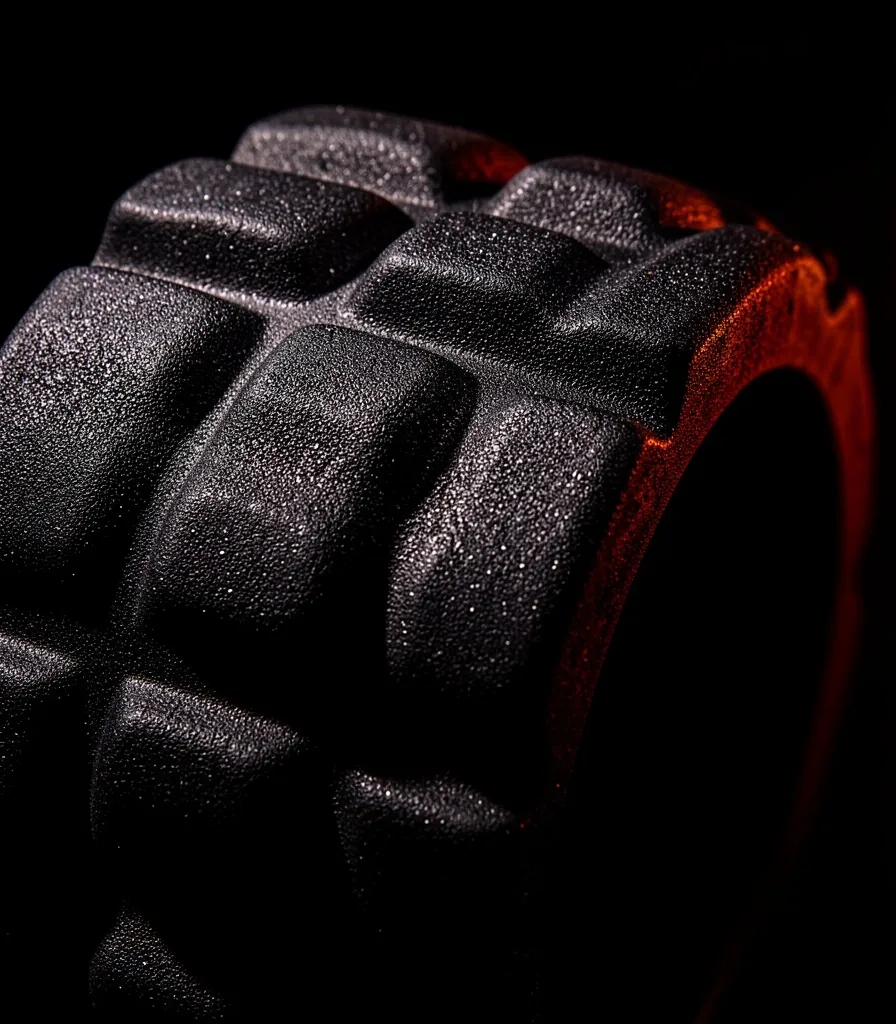
Active Recovery
Pressure · Density · Precision
Density
High-Density EVA
Core
Reinforced PVC
Surface
Smooth · Grid · Multi-Zone
Intensity
Gentle → Deep Tissue
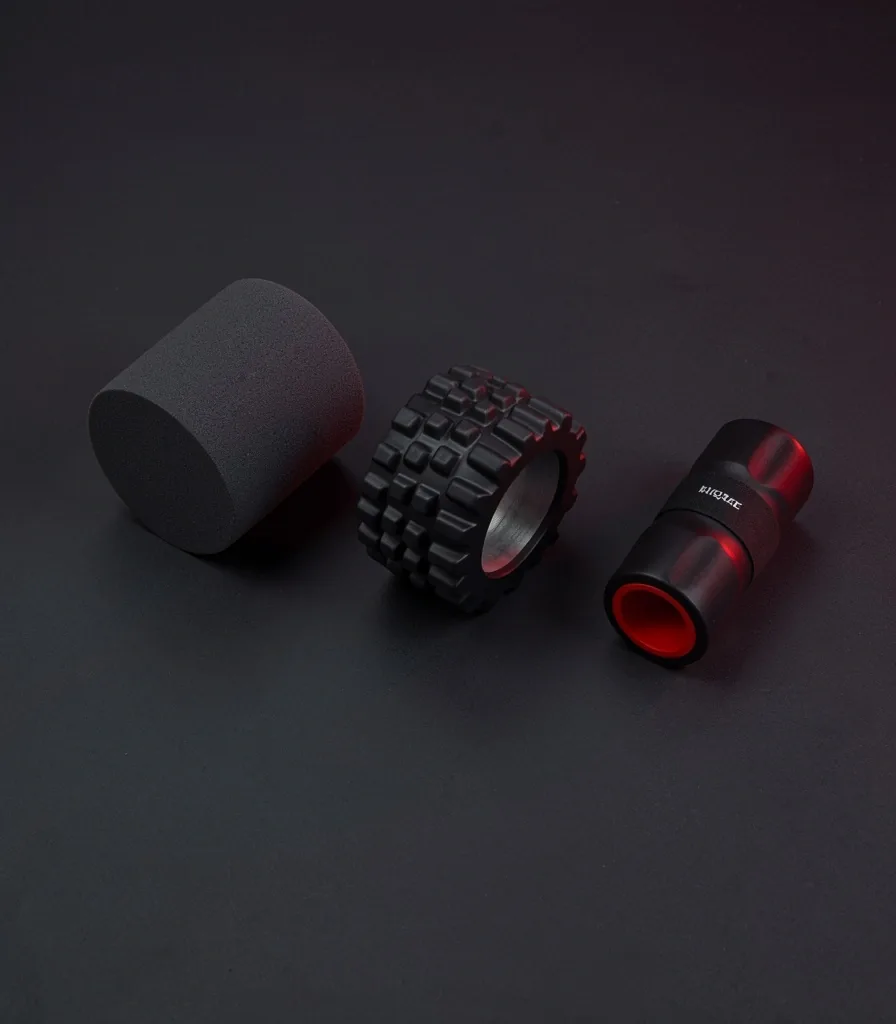
Material Composition
Eco-friendly EVA foam over a reinforced PVC core, selected to hold shape under sustained body weight without softening over time.
01 · Selection Guide
Choosing the Right Foam Roller
Selecting a foam roller depends on your tolerance for pressure and your specific recovery goals. The wrong density can make a session feel punishing rather than productive, so we structure the range around clearly labelled firmness levels rather than vague marketing terms.
Smooth Surface
Even weight distribution for those new to myofascial release, providing a consistent and predictable contact across large muscle groups.
Grid Pattern
Mimics the feel of a massage therapist's hands, targeting deep tissue and stubborn knots with raised zones that dig into dense muscle.
Material density is key. Our high-density rollers are engineered to withstand heavy, repeated use without losing their structural integrity. A roller that goes soft after a few weeks cannot deliver the consistent pressure needed to release a stubborn trigger point in the calves or thoracic spine. We test every item for dimensional stability under sustained load, so the pressure you feel in week one is the same pressure you feel six months later.
02 · Product Range
Targeted Myofascial Release Tools
Beyond the standard roller, we provide specialized tools for awkward angles and quick recovery sessions during work breaks.
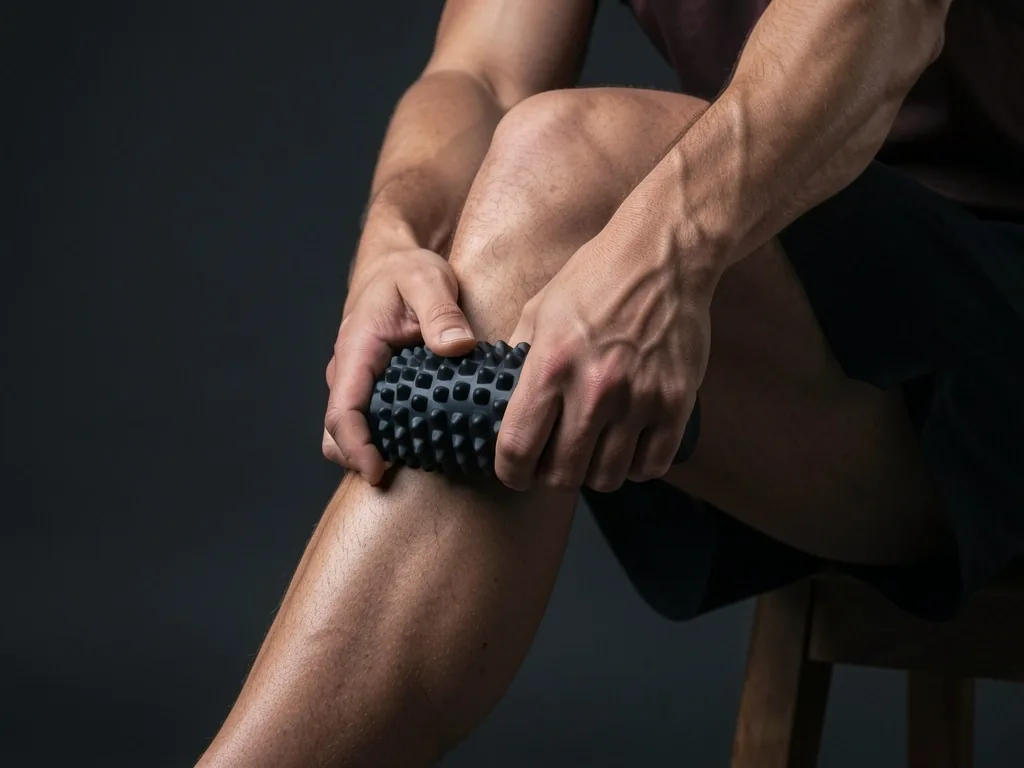
Handheld · Deep Tissue
Muscle Massage Roller Stick
Allows you to apply targeted pressure to the forearms, neck, and calves while seated. Useful for those who find floor-based rolling difficult.
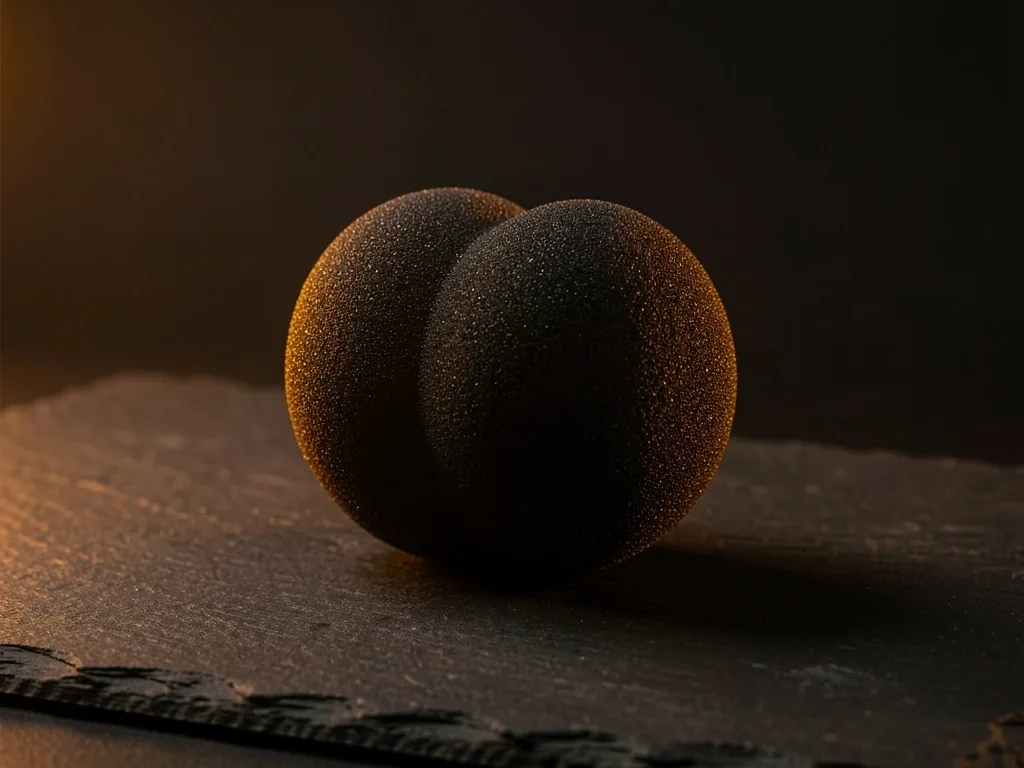
Precision · Twin-Sphere
Peanut Massage Ball
The double-sphere design cradles the spine and targets bilateral muscle groups along the neck and back without pressing directly on bone.
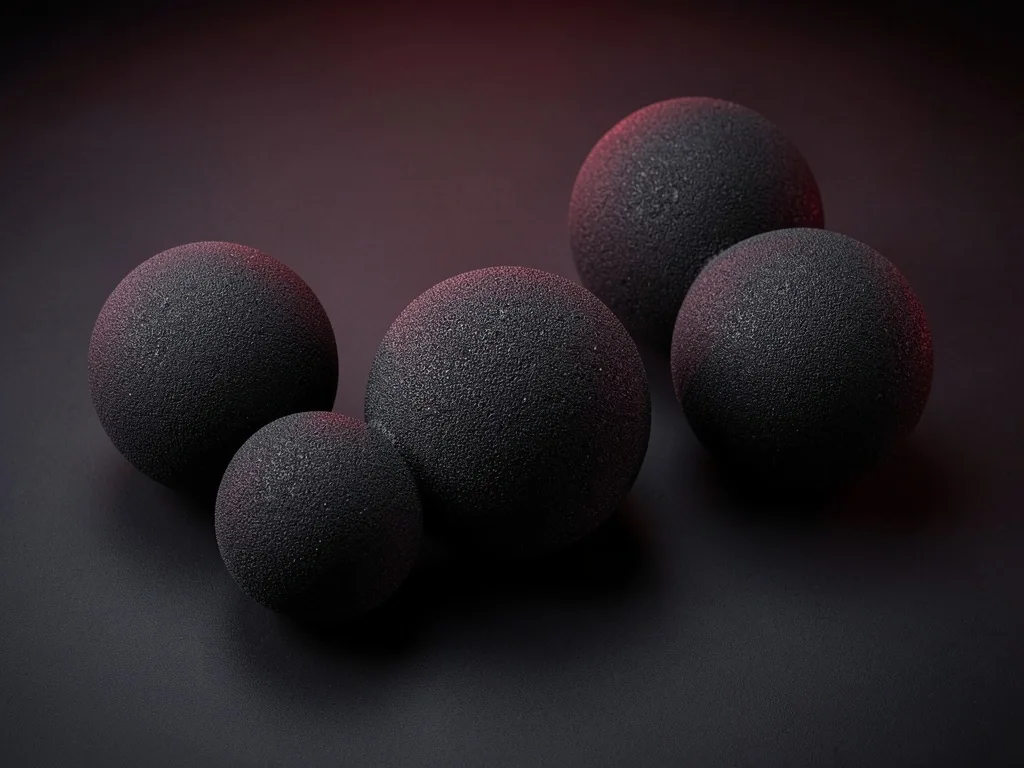
Point Release · Set
Massage Balls
Smaller tools for pinpoint work on trigger points in the feet, shoulders, and glutes. Their compact size makes them easy to carry for travel sessions.
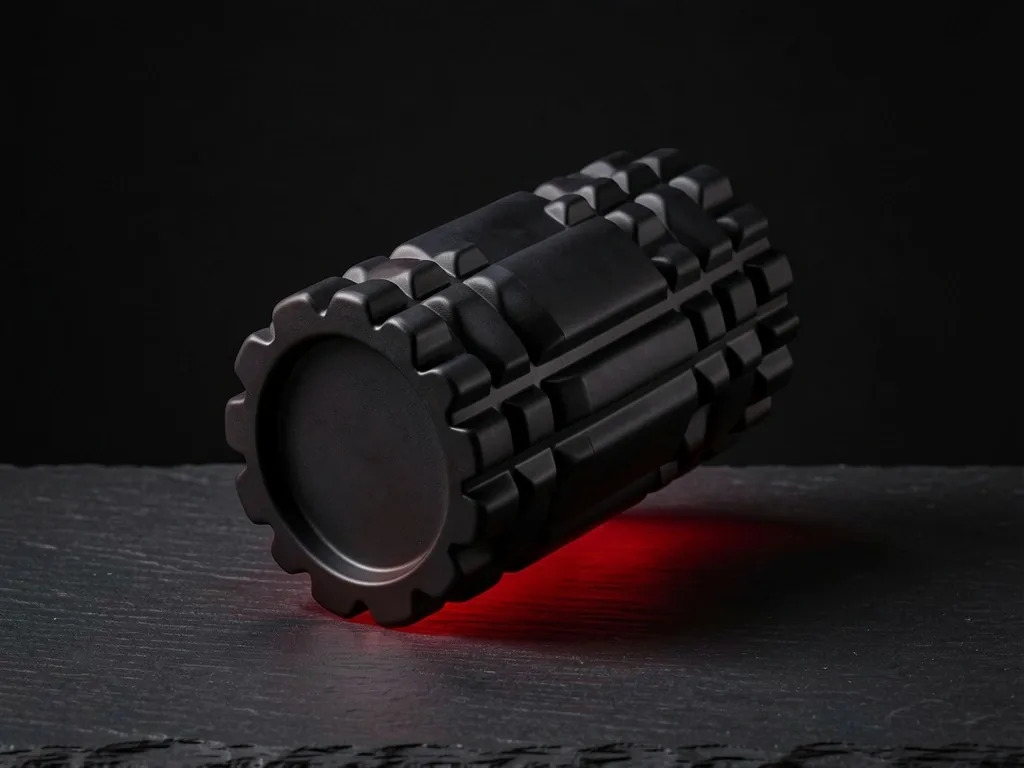
Advanced · Vibration
Vibrating Foam Roller
Combines mechanical pressure with vibration to encourage muscle relaxation. Especially effective on the thickest muscle groups like the glutes and thighs.
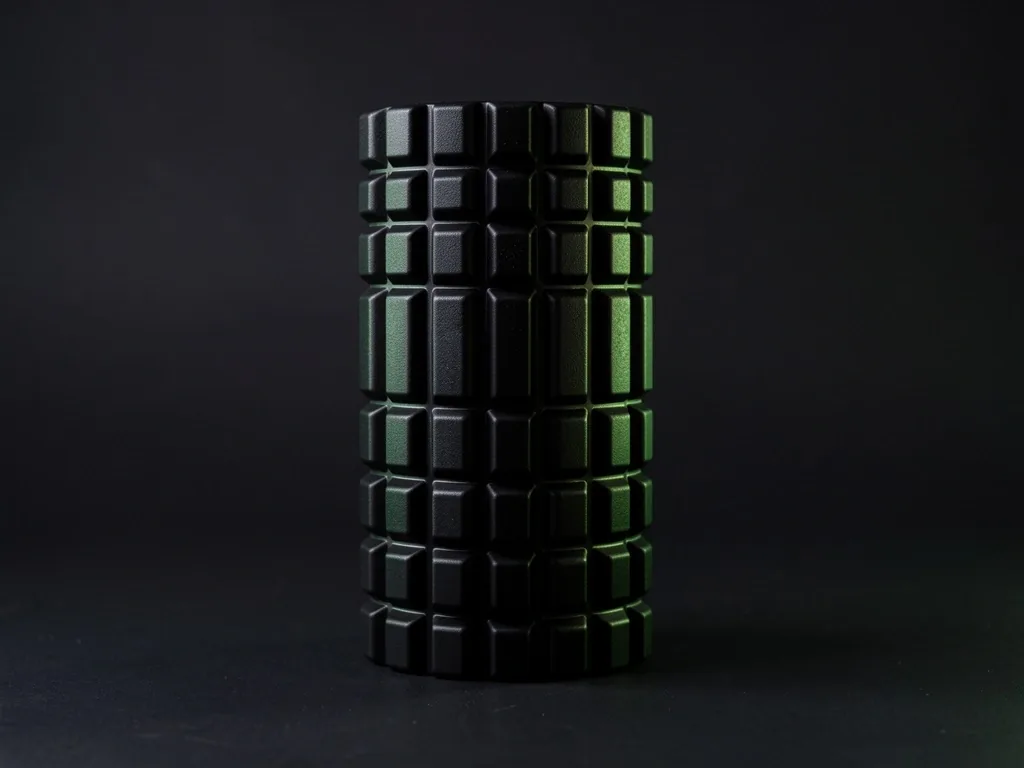
Travel · Multi-Zone
Compact Grid Roller
A shorter format roller designed for travel and quick sessions. The grid pattern targets deep tissue while the small footprint fits in a gym bag.
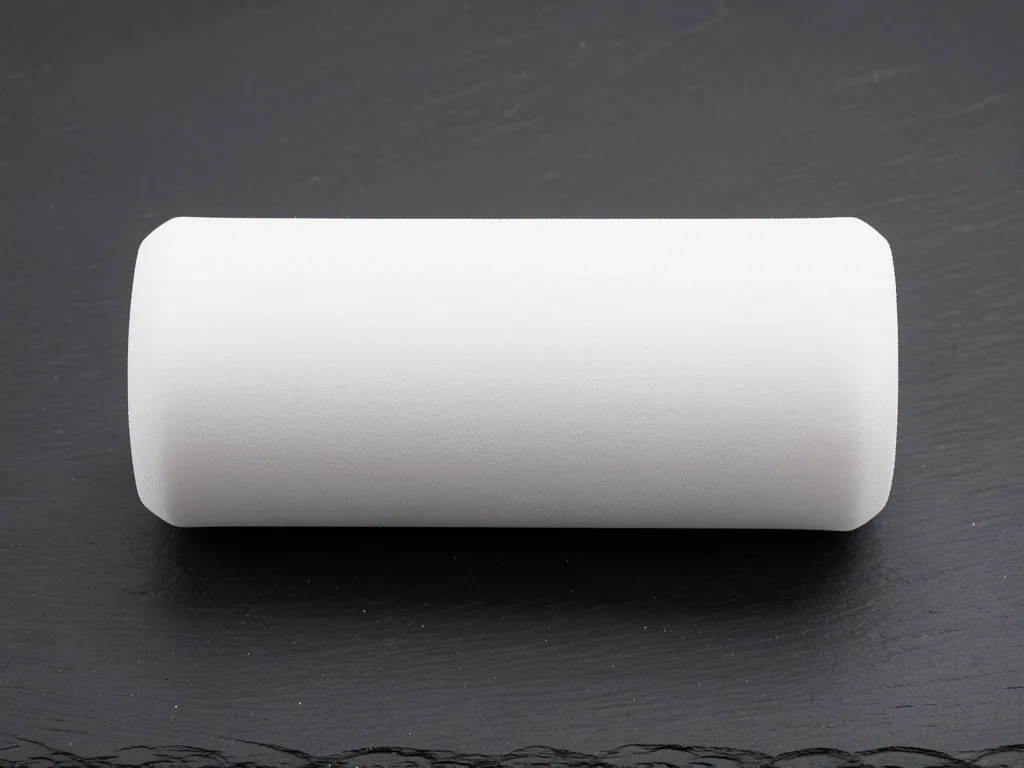
Beginner · Smooth
Smooth Surface Roller
A consistent, even surface that distributes body weight smoothly. An ideal starting point for those building confidence with pressure-based recovery.
03 · Technique
How to Release Muscle Knots
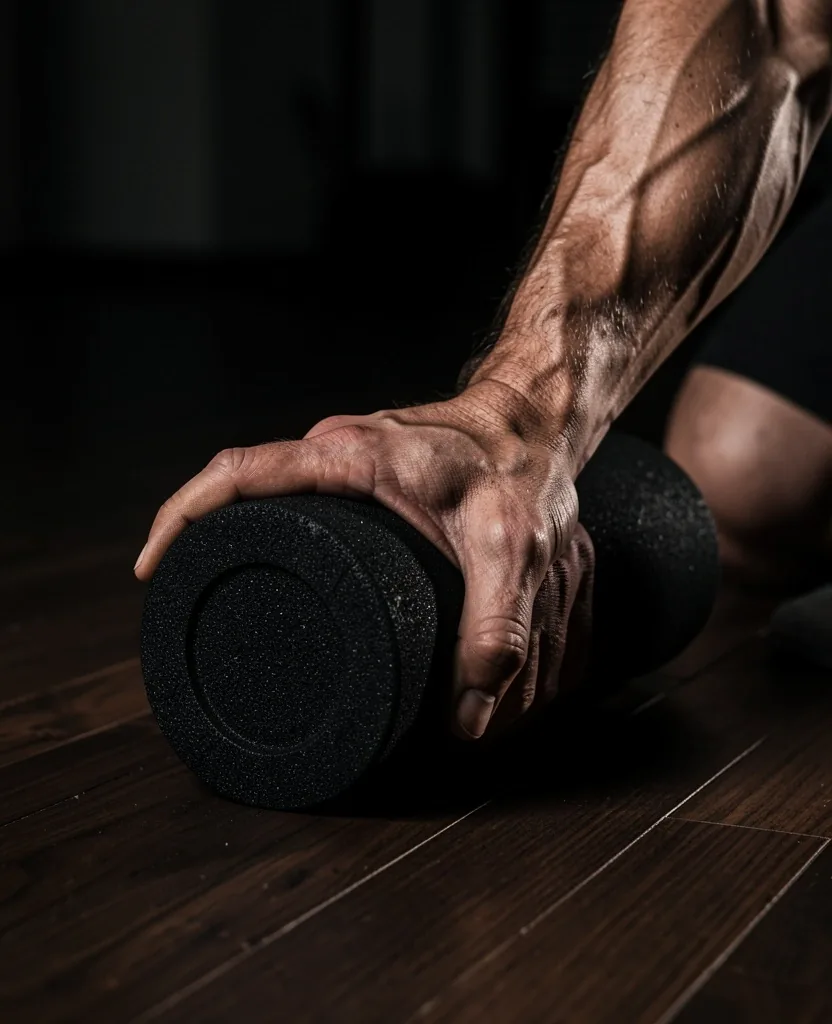
Using MFR tools effectively requires a slow and deliberate approach. Rushing through a session or bouncing on the roller produces less useful results than still, focused pressure. To release muscle knots, identify the tender spot and apply steady pressure using the roller or a smaller tool for about 30 to 60 seconds. This process helps the muscle fibres to relax and encourages blood flow to the area.
Our products are designed to provide the stability needed to perform these movements with precision on any floor surface. The non-slip exterior and balanced weight distribution mean the roller stays where you place it, even when you shift your body weight to target a specific band of tissue. This stability is what separates a well-made roller from a cheap one: without it, you are fighting the tool instead of working with it.
Locate the tender spot by slowly rolling along the muscle belly. Stop when you hit a point of noticeable tension.
Hold steady pressure on the point for 30 to 60 seconds. Breathe slowly and let your body weight do the work.
Slowly roll past the spot and continue along the muscle. Repeat on adjacent areas if tension remains.
Hold Duration
30–60 Seconds
04 · Routine
Incorporating Foam Rolling Exercises
Our rollers are lightweight and portable, making it easy to maintain this habit at home or in the gym.
Major Group
Quads
Roll from just above the knee to the hip. Turn slightly to hit the rectus femoris and the vastus lateralis separately for fuller coverage.
Major Group
Hamstrings
Work from the back of the knee upward toward the sitting bones. Keep the roller moving slowly to track along the full muscle length.
Major Group
Upper Back
Place the roller across the thoracic spine. Support your head with your hands and roll gently between the shoulder blades.
Consistency is what drives results in mobility. We suggest a daily routine of foam rolling exercises focusing on the major muscle groups: quads, hamstrings, and the upper back. Starting with just five minutes before or after a workout can help prepare the muscles for movement or assist in the cooling-down process. The goal is not to spend an hour on the floor but to build a short, repeatable habit that fits into the margins of your day.
For stretching for beginners, a simple body stretching routine paired with five minutes of rolling covers the essentials. If you are working toward a specific goal — deeper squat depth, improved shoulder mobility, or relief from a stiff back after long hours at a desk — you can add targeted work on the areas that feel most restricted. A peanut massage ball is particularly useful for the neck and upper spine, where a full-size roller is too wide to isolate the tissue.
05 · Material Integrity
Durability in Recovery Gear
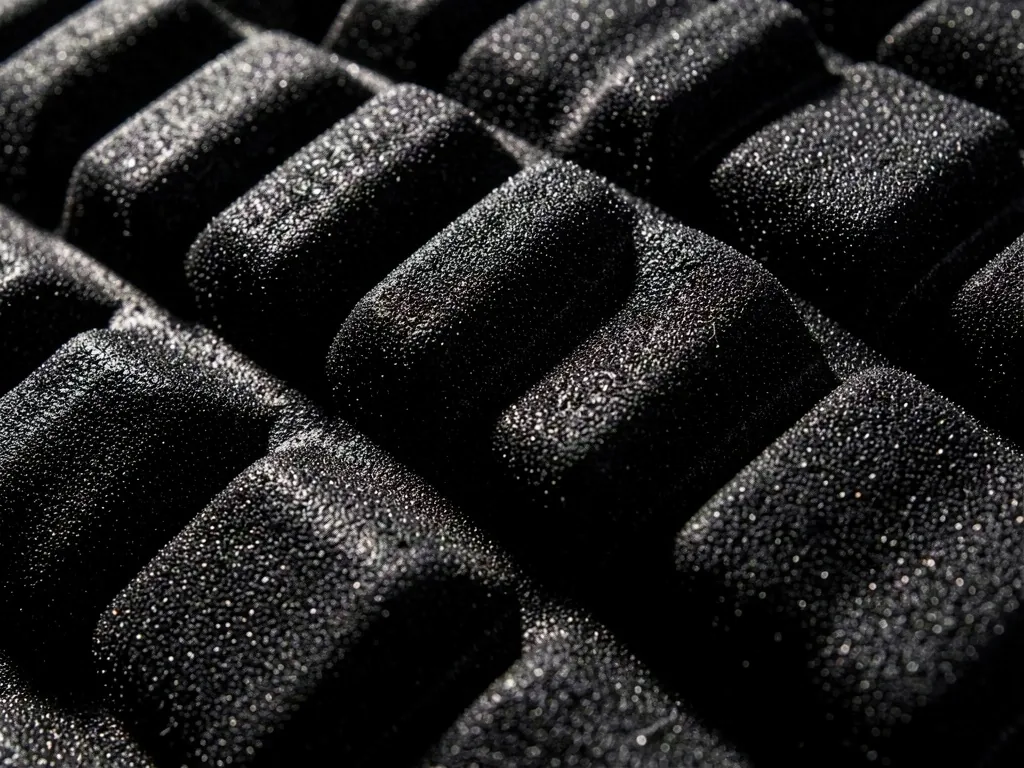
Recovery equipment is an investment in your long-term physical health. We stock tools made from eco-friendly EVA foam and reinforced PVC cores to ensure they do not warp or soften over time. This durability is essential for maintaining the specific pressure levels required for effective myofascial release. Every item is tested to meet the demands of frequent, high-pressure use.
Foam Layer
Closed-cell EVA that resists compression set, meaning the foam returns to its original thickness after each session.
Core Structure
A PVC tube wall rated for sustained body weight, preventing the flex and collapse that ruins cheaper rollers.
A roller that loses its shape cannot deliver the targeted pressure needed to work through a dense knot in the IT band or the plantar fascia. By selecting materials that hold their form under load, we make sure the tool you rely on today performs the same way next season.
06 · Recovery Science
The Role of MFR in Post-Workout Recovery
Post-workout recovery is about active maintenance — giving the tissue the conditions it needs to return to a supple, responsive state.
Post-workout recovery is about more than just rest; it is about active maintenance. Myofascial release helps to break up adhesions in the fascia, the connective tissue that surrounds your muscles. After heavy lifting or repetitive cardio, this tissue can become restricted, adhering to the muscle beneath it and limiting the natural slide and glide that allows smooth movement.
By using our professional-grade rollers, you can help restore that natural movement between tissue layers. The pressure from the roller physically separates layers that have become stuck together, while the increased blood flow to the area supports the body's natural maintenance processes. This is why consistent rolling feels different from occasional rolling — the cumulative effect of regular pressure keeps the fascia pliable rather than allowing it to gradually stiffen between sessions.
Adhesion Reduction
Separates stuck fascial layers
Circulation Increase
Encourages blood flow to tissue
Mobility Support
Restores slide between layers
07 · Advanced
Advanced Rolling Techniques
For those looking to advance their mobility, we provide vibrating rollers and multi-surface tools. These advanced myofascial release tools combine mechanical pressure with vibration to further encourage muscle relaxation.
Using these techniques can be especially beneficial for the thickest muscle groups, such as the glutes and thighs, where standard rolling might feel less effective. The vibration helps penetrate dense tissue that static pressure alone struggles to reach, making a noticeable difference in sessions targeting heavy compound lifts or long-distance running.
08 · Foundations
Safe Practices for Beginners
If you are new to rolling, start with your feet on the floor to offload some of your body weight. We provide guide materials and rollers with varying degrees of firmness to ensure your introduction to MFR is productive.
Understanding your body's limits is essential to avoid over-stressing the tissue while still achieving a significant release of tension. Begin with a smooth roller, keep sessions short, and gradually increase pressure over weeks rather than forcing depth on day one. Recovery is a long-term practice, and the tools are built to support that timeline.
Showroom
21 Kinetic Mews
The Lanes, Brighton
BN1 1HB, United Kingdom
Contact
Hours
Mon–Fri: 9:00–18:00
Sat–Sun: Online orders only