
Recovery Guides and Mobility Resources
Knowledge is the most important tool in your recovery kit. At RestoreGear, we provide more than just equipment — we offer the guidance you need to use our tools effectively, from stretching for beginners to advanced foam rolling exercises.
Focus
Self-directed routines
Equipment
MFR tools and bands
Level
Beginner to advanced
Format
Step-by-step guides
Guide Directory
Browse by topic
Eight guides covering every level of practice. Start where you feel comfortable and build from there.
Starter Setup
Yoga mat + 10 minutes daily
Guide 01
Getting Started: Stretching for Beginners
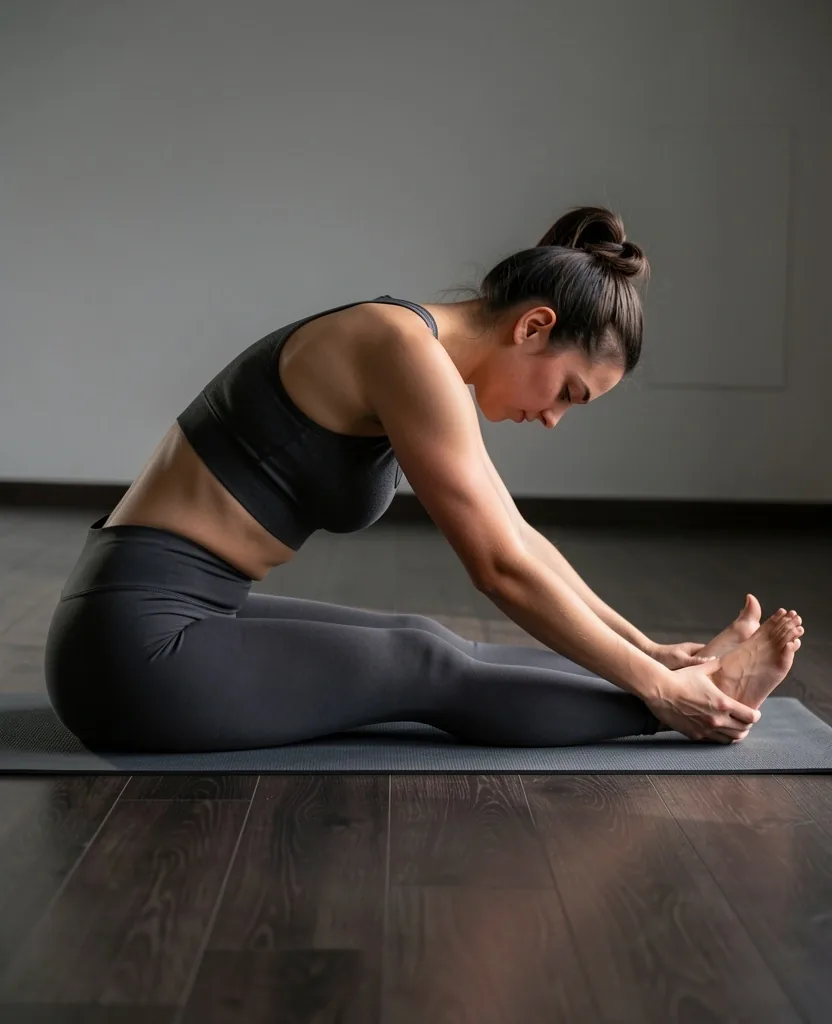
If you are new to a flexibility practice, it is important to start slowly and focus on form. Our guides for stretching for beginners emphasize low-impact movements that help you become familiar with your body's current range of motion. We suggest starting with a consistent 10-minute daily routine using a high-quality yoga mat to provide the necessary support for your joints.
The goal in the first few weeks is not depth — it is consistency. A pilates mat with extra cushioning gives your spine and knees a stable surface, which matters when you are learning how your body responds to new positions. Hold each stretch for 20 to 30 seconds, breathe steadily, and avoid bouncing. Your muscles lengthen more reliably when they feel safe, not when they are forced.
What to prepare
- A yoga mat or pilates mat with enough padding for floor work
- Comfortable clothing that does not restrict your range of motion
- A timer or clock to track hold durations
- Resistance bands for assisted reaches when flexibility is limited
Guide 02
Mastering Foam Rolling Exercises
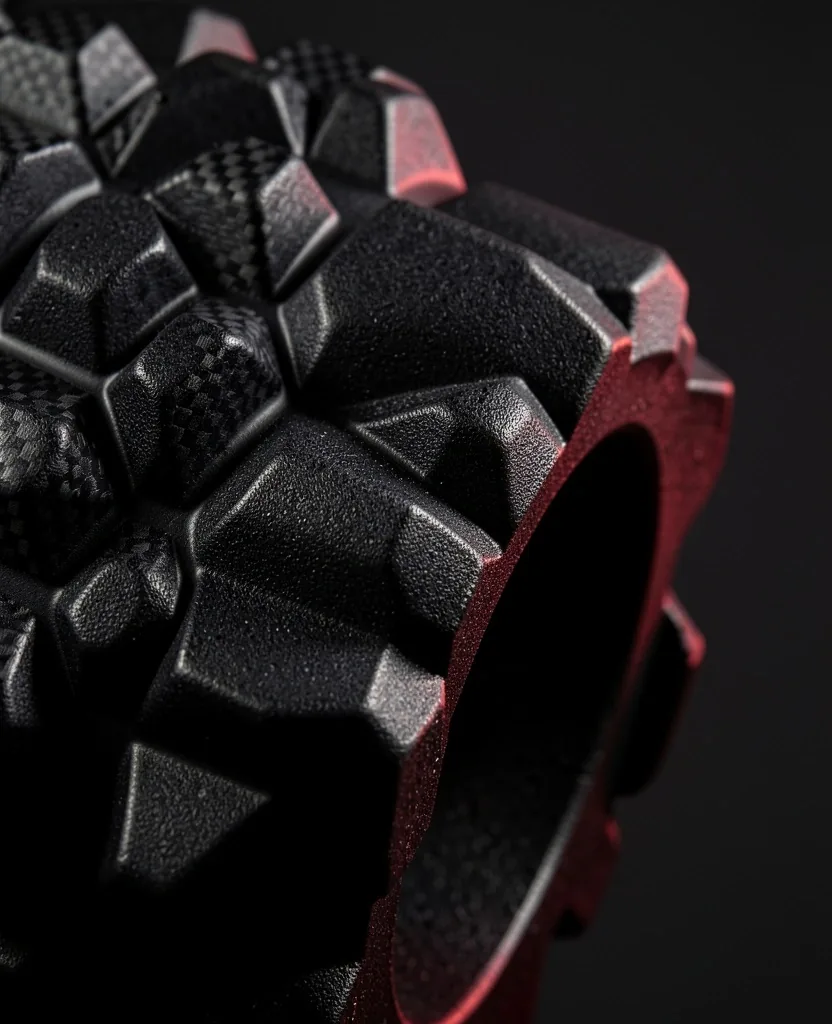
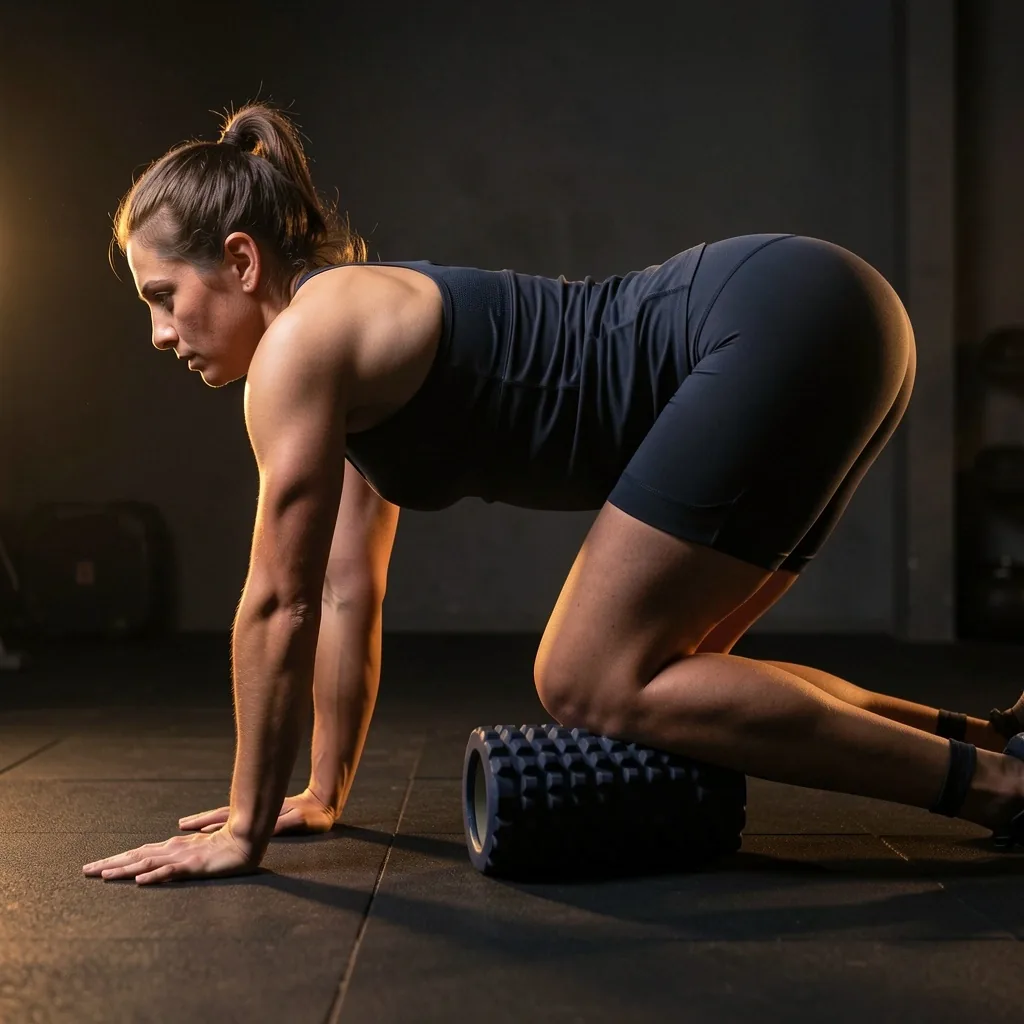
Foam rolling can be uncomfortable if done incorrectly, but highly effective when mastered. Our guides walk you through the correct way to use a muscle massage roller on the major muscle groups. We explain how to control your body weight to adjust pressure and how to navigate the roller to find and address specific areas of tension without causing unnecessary bruising or discomfort.
The foam roller works by applying sustained pressure to the fascia — the connective tissue that wraps around your muscles. When you roll slowly along the length of a muscle, you encourage blood flow and help the tissue glide more freely. Move at roughly two centimetres per second. When you find a tight spot, pause and hold still for 20 to 30 seconds rather than rolling back and forth rapidly. This gives the tissue time to respond.
Primary Tool
Muscle massage roller
Tempo
Slow, controlled passes
Guide 03
Addressing a Stiff Back
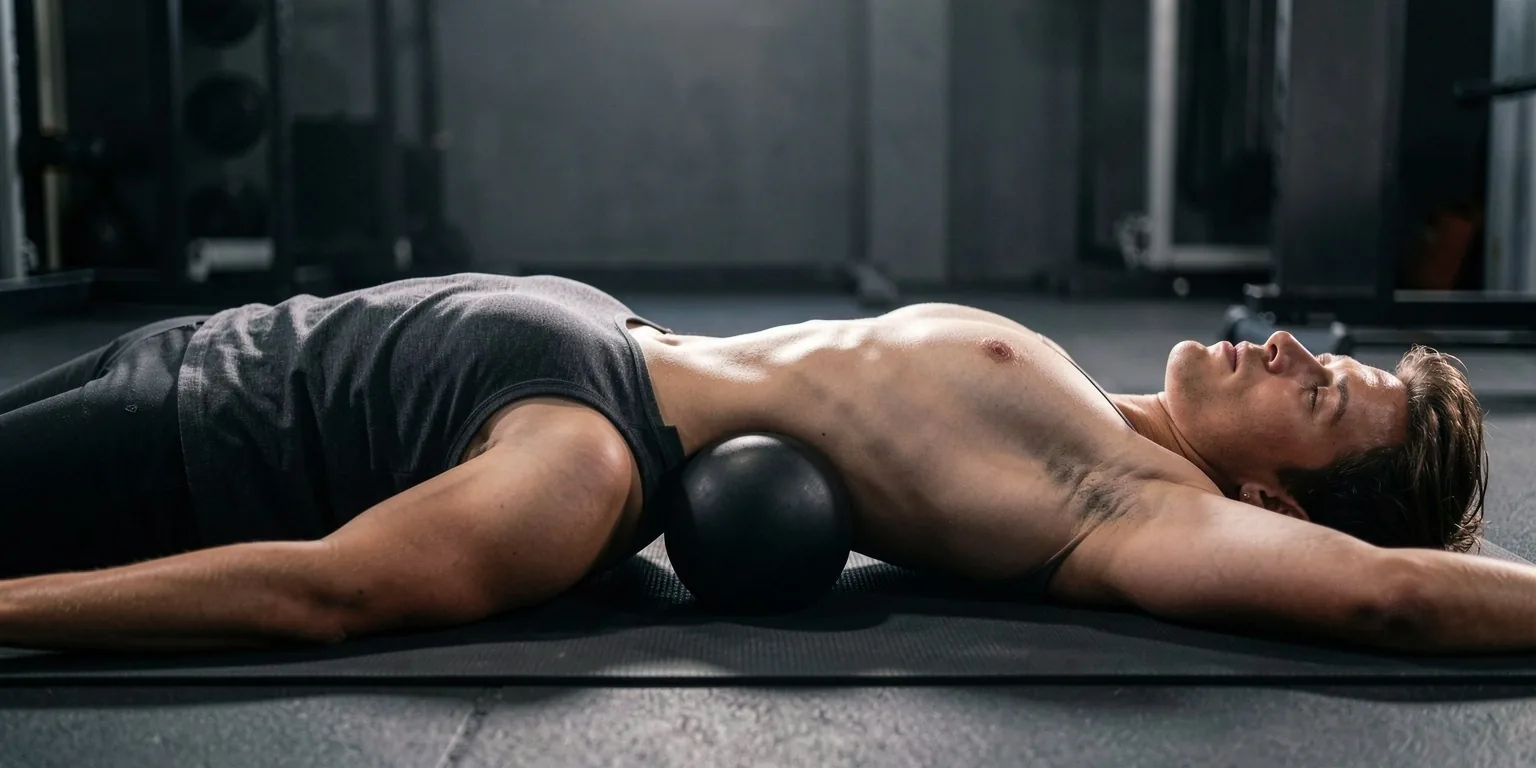
A stiff back is a common complaint in the modern world, but it can be managed with the right tools. We provide specific guides on using peanut massage balls and lower back relief tools to decompress the spine and relax the surrounding muscles. These routines are designed to be performed at the end of the day to help reset your posture and alleviate the tension caused by sitting or standing for long periods.
The peanut massage ball — two spheres joined together — cradles the spine while applying pressure to the muscles on either side. Lie back carefully, position the ball along the lumbar region, and let gravity do the work. Breathe deeply. Small, controlled movements along the length of the spine help reset the tissue without forcing it. A back support cushion used during the day can also reduce the buildup of tension before it starts.
Guide 04
How to Release Muscle Knots Safely
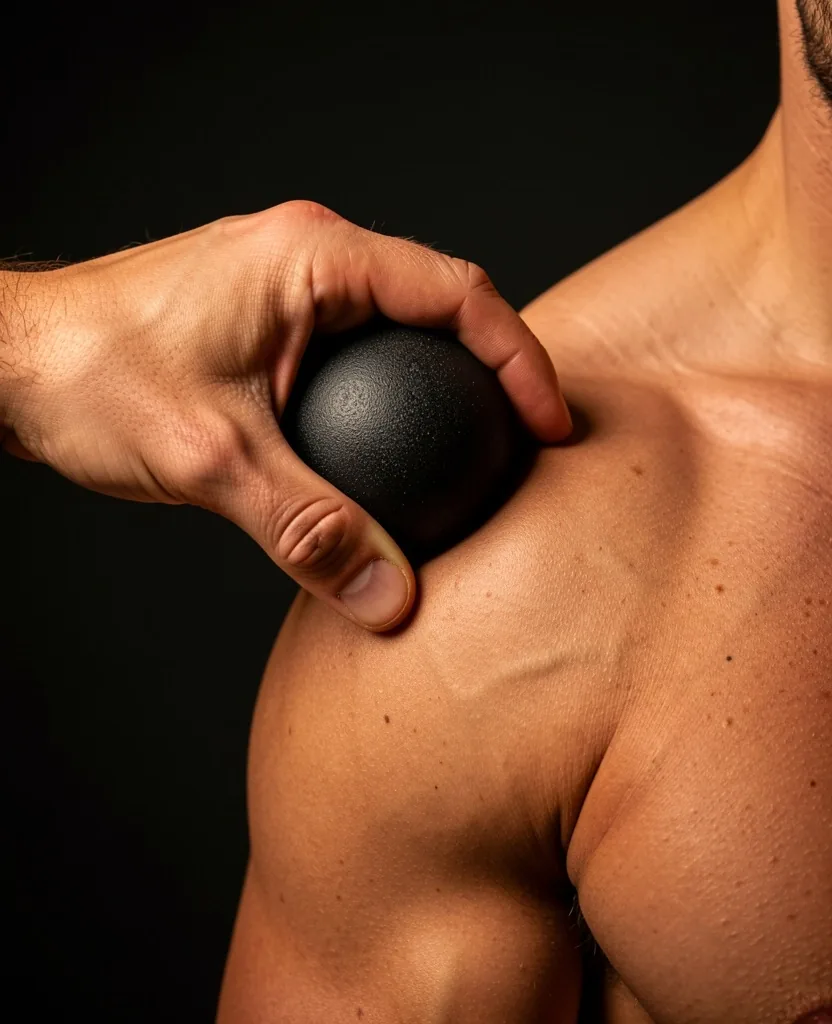
Muscle knots, or trigger points, require a targeted approach. Our guides explain how to use massage balls to apply direct pressure to these areas. We teach you how to identify a knot, how long to hold the pressure, and how to breathe through the sensation to encourage the muscle to release. This precision work is essential for anyone dealing with chronic tension in the shoulders or glutes.
A knot feels like a small, dense lump within the muscle belly — tender when pressed, sometimes referring tension outward to nearby areas. Place the massage ball directly on the spot, lean your body weight into it, and hold. The sensation should be intense but manageable. If it sharpens, ease off. Breathe slowly and steadily; the muscle will often soften after 30 to 60 seconds of sustained pressure.
Locate the knot
Press gently along the muscle until you find a tender, dense spot. Common areas include the trapezius, rhomboids, and glutes.
Apply sustained pressure
Position the massage ball on the point and lean in. Hold for 30 to 60 seconds. Adjust your body angle to control intensity.
Breathe and release
Breathe deeply through the hold. When the sensation eases, slowly move the ball to the next area or finish the session.
Guide 05
Mobility Tools for Seniors: A Gentle Approach
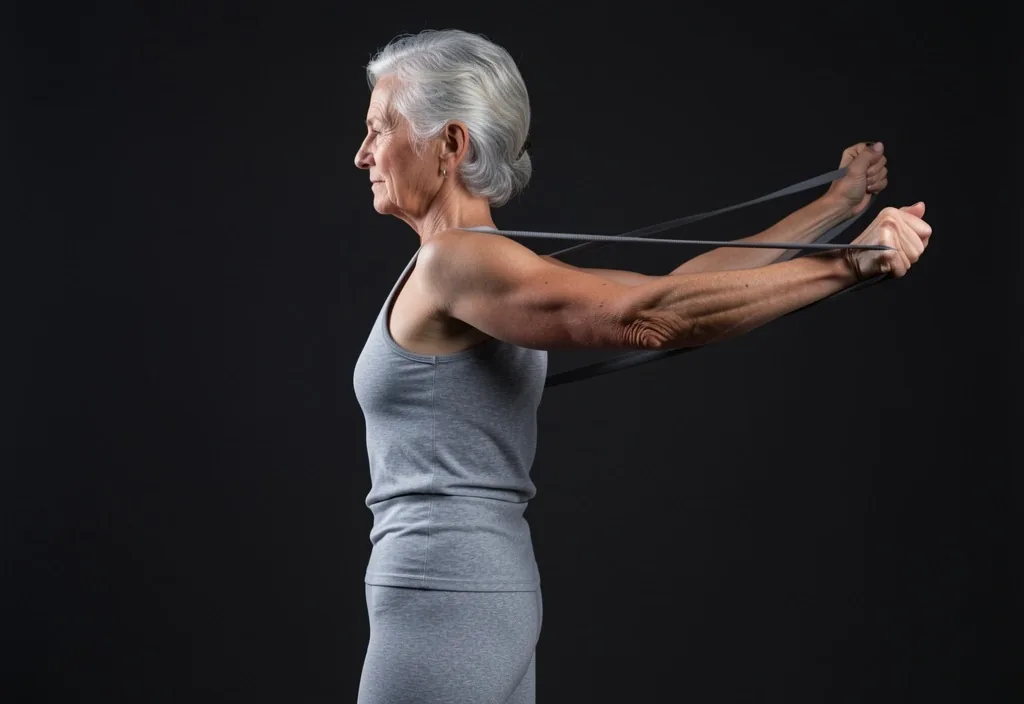
Maintaining movement as you age requires a different strategy. Our resources for seniors focus on gentle fitness equipment and routines that prioritize balance and joint health. We provide instructions for safe exercises for knees and hips, ensuring that our older customers can stay active and independent without over-straining their bodies.
Soft-density rollers, lighter resistance bands, and supportive mats form the core kit. Joint mobility equipment should feel comfortable from the first use — if a tool feels too hard or too intense, it is the wrong density for this stage. Focus on seated or supported stretches, gentle dynamic movements, and balance work. The aim is sustainable movement that keeps you doing the things you enjoy.
Browse gentle fitness equipmentGuide 06
Creating a Body Stretching Routine
A successful body stretching routine is one you can stick to every day. We provide sample schedules that combine static stretching, dynamic movement, and myofascial release. By varying your routine, you can ensure that you are addressing all aspects of your physical health, from muscle length to the health of your connective tissues.
The most effective routines are short, repeatable, and targeted. Ten to fifteen minutes, done consistently, produces better results than an occasional hour-long session. Below is a sample weekly structure that balances different movement qualities.
Monday
Dynamic focus
Arm circles, leg swings, and gentle hip openers to wake the body up. Five minutes of flowing movement before any sustained holds.
Tuesday
Foam rolling
Slow passes along the quads, hamstrings, and thoracic spine using a muscle massage roller. Pause on tight areas for 30 seconds.
Thursday
Static stretching
Long holds targeting the hamstrings, hip flexors, and shoulders. Use resistance bands to assist reaches where flexibility is limited.
Saturday
Targeted MFR
Massage ball work on specific knots in the trapezius and glutes. Slow, precise pressure with breathing. Finish with gentle full-body stretches.
Guide 07
Integrating Resistance Bands
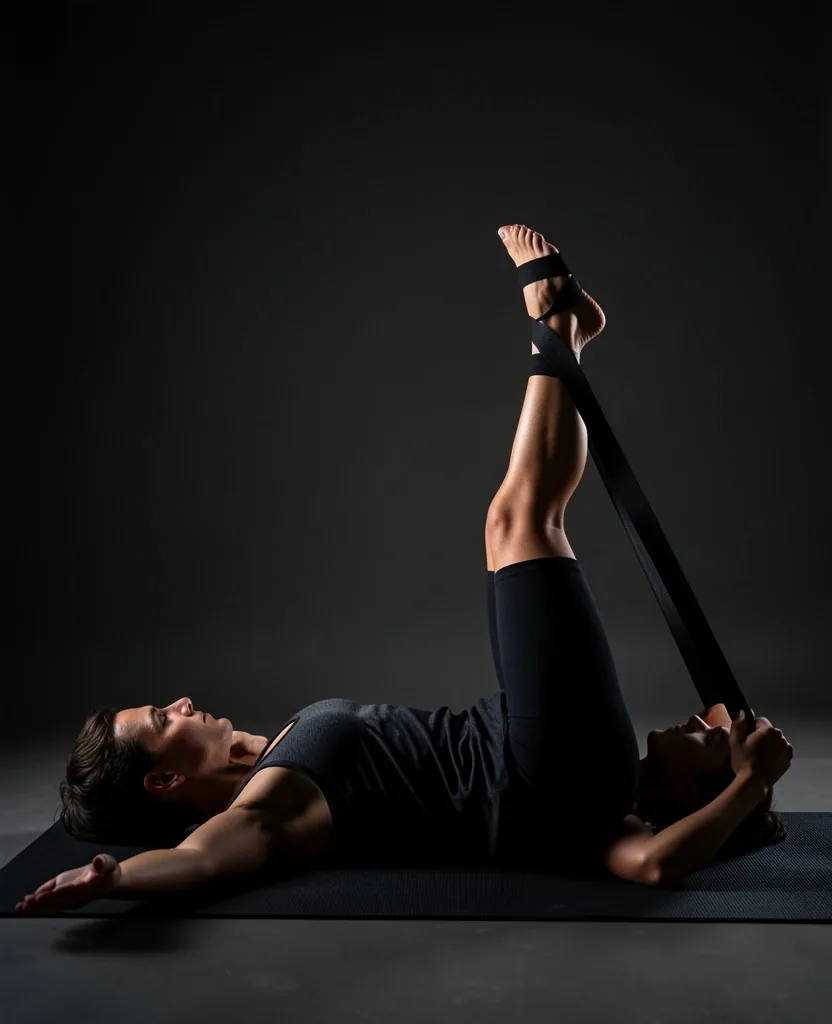
Resistance bands are not just for strength — they are powerful mobility aids. Our guides show you how to use fitness bands to assist in stretching, allowing you to reach positions that might otherwise be impossible. This assistance is vital for improving flexibility in the hamstrings and shoulders, where tight muscles often prevent a full range of motion.
Loop a band around your foot and lie on your back. Use the band to draw your leg upward, keeping the knee straight. The band extends your reach, letting the hamstring lengthen without the strain of pulling from your arms or back. The same principle works for shoulder mobility: grip the band with both hands and make slow circles overhead, adjusting tension by changing your hand spacing.
Best for assistance
Long loop bands — give you reach and leverage for hamstring and shoulder stretches.
Best for activation
Mini loop bands — warm up the glutes and hips before deeper stretching work.
Guide 08
Advanced MFR Techniques
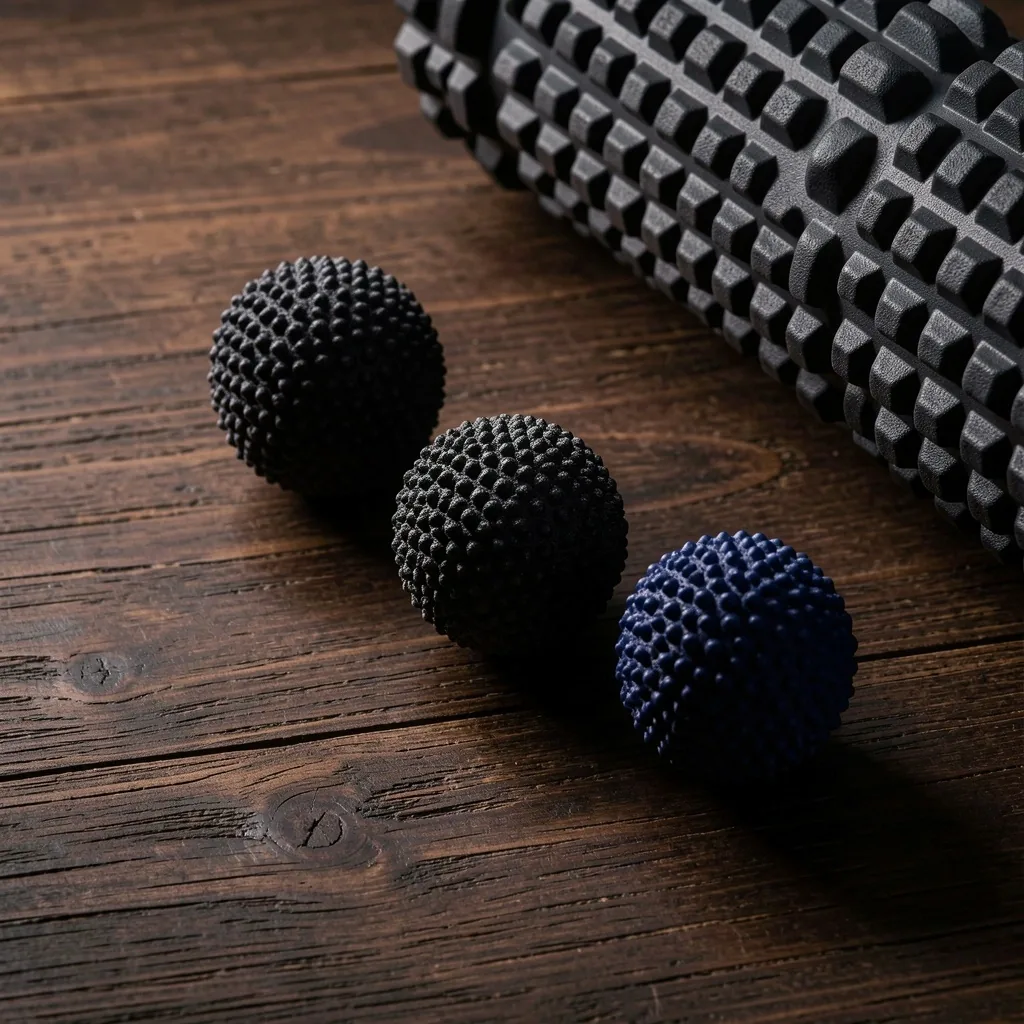
For those who have been rolling for a while, we offer guides on advanced myofascial release tools and techniques. This includes using smaller, harder balls for deep tissue work and incorporating active movement while applying pressure. These advanced methods help to further refine your mobility and ensure that your recovery routine continues to challenge and improve your physical state.
Dense massage balls let you access deeper layers of tissue that a standard foam roller cannot reach. The trade-off is intensity: harder tools concentrate pressure into a smaller area, which means more sensation and a narrower margin for error. Move slowly, breathe consistently, and never force pressure onto a joint or bone. Combine sustained pressure with small active movements — like rotating the arm while a ball sits in the shoulder — to teach the tissue new ranges under load.
Before progressing to advanced techniques
- You can comfortably use a standard foam roller on all major muscle groups for 10 minutes without sharp discomfort
- You can identify and hold pressure on a trigger point using a massage ball for 60 seconds with controlled breathing
- You understand the difference between productive intensity and sharp, protective sensation that signals you should ease off
Keep Learning
Ready to put these guides into practice?
Questions about a guide?
Email [email protected]
Brighton showroom
21 Kinetic Mews, The Lanes, Brighton, BN1 1HB
Speak with us
+44 1273 414 120 · Mon–Fri, 9:00–18:00